
So What Do We Mean by Cult?
There are a few different “definitions” of a cult with no real right answer but they all have one thing in common, they kinda sound like brands. Religious scholars say it’s a group led by a charismatic leader that messes with your habits – but doesn’t that sound like what a brand does?
The general public tosses it around for groups with wild beliefs, often tied to a product or service – but hey, that could describe Apple or Tesla fans. In pop culture, “cult” often hangs out with small but die-hard fan groups, like those “cult classic” films or “cult-following” bands. So, in a wide sense, cults are basically everywhere, infiltrating our lives in all sorts of sneaky ways.
The line between cult and brand is incredibly blurry. Every day, we’re bombarded with words and pictures that tweak our beliefs, whether it’s the promise of spiritual enlightenment or the lure of the latest fitness fad.
They’re a Religion…No Really

They’re Even Changing How You Speak
Cult-ivating Your Brand
1. Sense of Belonging: Let’s start with the basics of brand cult-dom: Belonging. It’s the bread and butter of cults and brands, tapping into our innate desire to be part of the “it-crowd”. Both groups make you feel great about yourself and like you’re part of the crowd. The motto? “Be more you, with us”
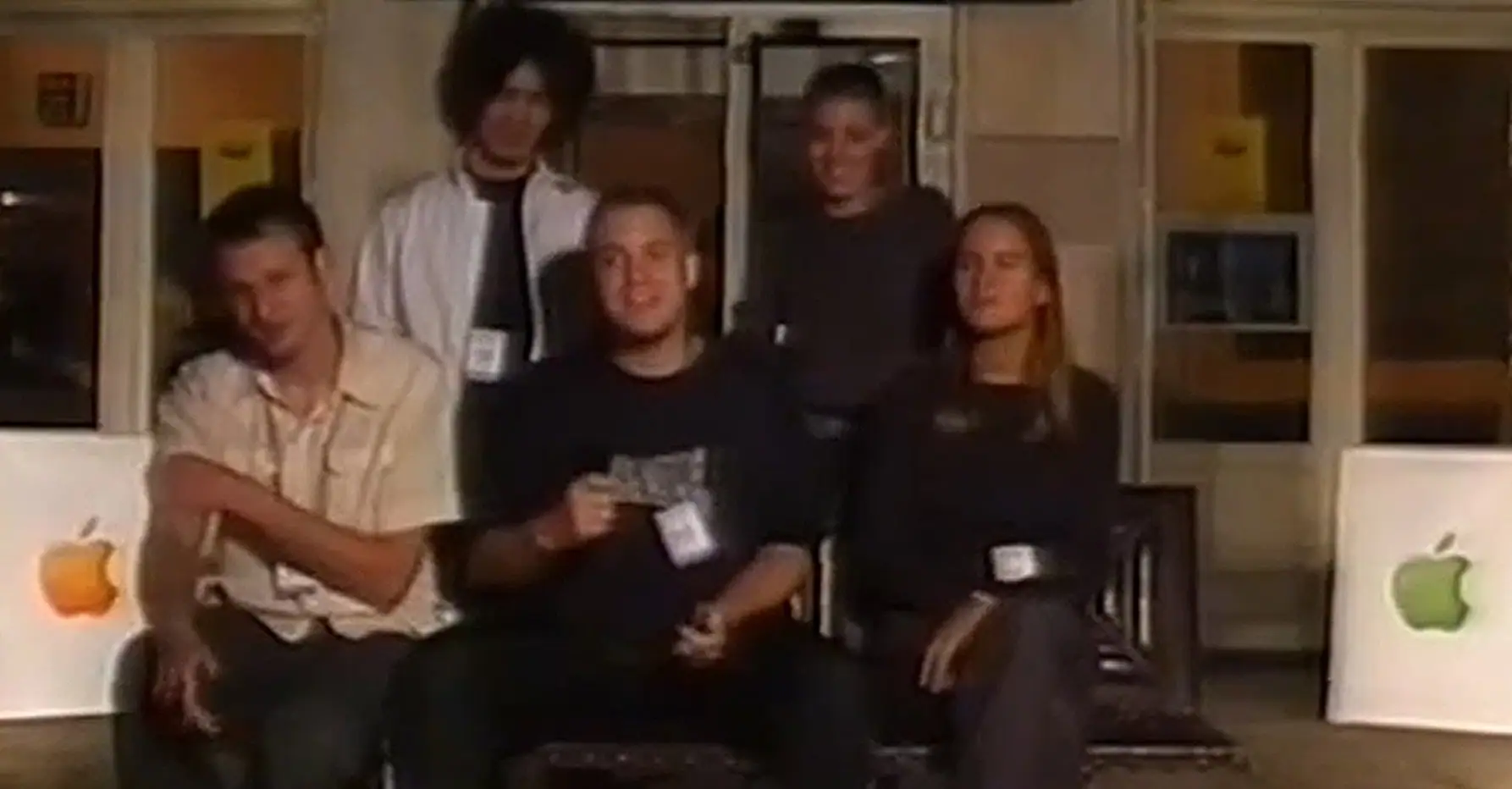
Apple strategically positioned itself as the go-to brand for rebel creatives. If you consider yourself a rebel creative, having an Apple device is practically a badge of honour. And, if you aspire to join the rebel creative ranks, well, using Apple is almost a prerequisite.
Forget the dogma, it’s in our DNA to fit in. So, how can you empower your customers to be their “best selves”? How can you foster a sense of belonging? How can you embrace and appreciate the unique differences of your customers?
When it comes to recruiting your brand cult followers, it’s all about having a laser-focused mission, a rock-solid purpose, and a compelling “why.” Start by defining what you offer and why it trumps everything else in the market. Then, dig into the heart of why you do what you do. What makes your offering unique? What’s the driving force behind your mission? And what kind of lifestyle does your brand embody?
Apple’s marketing campaigns famously pitched Apple users against PC users, leaving Microsoft scrambling to find its way back into the game. Nowadays, Samsung’s throwing some shade Apple’s way, just like Apple once did with Microsoft.
So, do you have a cause to champion or an adversary to tackle? Do you have a nemesis? it doesn’t even have to be another brand; it can be an idea. We’re against cheap service, we’re against overfishing, etc, etc. What’s your battle cry?
Sensory marketing makes a brand stick in your head. Coca-Cola’s been doing it forever. And who can forget Abercrombie’s signature scent that they used to pump out? They had their cult moment, no doubt!
So, here’s the thing: How are you creating a show-stopping experience for your customers? Even if you’re not selling stuff they can touch, taste, or smell, you can still work your magic with consistency. Cult brands do it by going the extra mile, surprising customers with innovative differences, white-glove service, or unforgettable moments. The goal is to leave a mark they won’t forget. So, ask yourself: What kind of footprint are you leaving on your fans?

Let’s talk about Ellie Dinh and her hubby, Quang. They couldn’t find eco-friendly sportswear, so they said, “Screw it, let’s make our own brand!” Thus, Girlfriend Collective was born in 2017. They found a factory in Vietnam that rocked the SA8000 certification (it’s like the fair-trade gold star for garment manufacturing) and they turned recycled bottles into leggings. How do we know this? They told that story.
Girlfriend Collective communicated their values of quality, eco-friendliness, and treating workers right, and it won them a cult-like fan club, especially among the millennials and Gen Z customers who shout their love from the rooftops. So, how is your brand changing the game? What’s your story, and how are you getting your fans to become part of it?
BMW are fantastic at doing this. When you buy one of their cars, you also get access to an exclusive directory that assists you in finding places to eat, stay and garages if your car breaks down on the road. It’s like having a personal concierge right in your car.
By keeping those interactions consistent and free from distractions, especially in the early stages, you’re saying, “We totally get you, and we’re in this together.”
So, here’s the grand finale: How can your brand seamlessly sneak into your customers’ daily lives? Where else can your brand sprinkle its magic? And how can you supercharge customer interactions and really connect with them on a deeper level?
It might surprise you (because the popular view is that cults are full of weirdos and people on the fringes), but cults are mostly made up of friendly, educated, extroverts. The exact kind of people that you want for your beans.
If we use the Girlfriend Collective as an example again. Instead of blowing their budget on ads, they went all-in on word-of-mouth. How? They dished out leggings for free, but there was a catch. People had to share the offer on Facebook or email and all they had to pay for was shipping. They got over 10,000 orders on day one and crashed on day two. Of course, some of that was the price incentive, but think of Tesla fanatics preaching the electric gospel or Apple devotees gushing about their Macs. In fact, the most popular Apple is actually called “Cult of Mac.”
So, the big question: How do you woo the chatterboxes? How do you turn your extroverted customers into your brand’s biggest cheerleaders? What’s your plan to make people rave about your brand?
We’ve already touched on this, but it’s all about “demarcation”. Scientology employs numerous specialised words and acronyms that only fellow Scientologists can understand. Similarly, the brand Livestrong created a distinct identity with its yellow bracelets; if you saw someone out and about with one, you knew they were part of something.
So, what makes your brand stand out? How do your members spot each other in a crowd? Do you have a specialised lexicon that reinforces your brand’s distinct identity?
9. Mystery: Can you name a successful cult that’s all haphazard and disorganised, with no clear membership structure? Not a chance! Membership is the key ingredient for creating a strong sense of belonging and unity. It needs to be substantial, real, and come with perks that make people feel like they’re part of an exclusive club.
Who could forget the early days of Facebook, where only the college email elite could join? Exclusivity was their secret sauce, turning users into believers, not just bystanders.
How are you crafting that sense of membership within your brand? Do you have special, behind-the-velvet-rope content or experiences for your followers? Is your onboarding process seamlessly integrating your customers into the community, making them feel like they’re part of something exceptional right from the start?
Picture this: “Corona and lime.” It’s not just a drink; it’s a mini vacation in a bottle. That zesty lime scent? It’s a one-way ticket to a beachside paradise. Sliding that lime into the golden brew? It’s sunshine in a bottle.
This ritual is like a universal language. It’s the unspoken rule of how to enjoy a Corona. And it’s the secret handshake that makes everyone feel like part of the club.
So, let’s get down to it: How can you sprinkle some ritual magic into your brand experience? What’s your secret sauce for turning customers into insiders? And most importantly, how are you using these rituals to get people talking about your brand?

Extra Tips From The Cult Playbook
- Prioritise the Individual: Your brand doesn’t revolve solely around the products it offers; it centres on the individuals who engage with it. In crafting your business strategy, think of it as a party, and your customers are the guests of honour. Place a premium on understanding and satisfying your customers’ needs and preferences.
- Double Down on Dedication: In the world of cults or brands, if you’ve got a head honcho leading the charge, whether it’s you or the office plant (hey, we don’t judge), that leader needs to show a personal investment. Cult followers and brand enthusiasts seek a profound sense of unity with both their fellow members and their leader. Consequently, when you request commitment from your followers, it’s imperative that you are prepared to contribute in kind, often at a magnified scale.
- The Priest Model: Think of it like empowering your very own squad of brand ambassadors. Cults and brands have two distinct hierarchies – one where power clings to a single person or a small elite group at the tippy-top, and the other where power is spread among the “priests” or inner leaders. It’s kind of like your brand’s very own team of cheerleaders, only they’re way more enthusiastic. By granting increased responsibilities to your most devoted members, you enhance your brand’s connection with its community.
Get Ready to Mix Your Brand Cult Recipe
So, how do you whip up this brand cult recipe? Well, it starts with strong ideologies, nurturing brand communities, delivering experiences that make customers go “wow,” and cultivating brand advocates who shout your praises from the rooftops. Just mix these in, and you’ll be well on your way to achieving a following that’s as devoted as cult members.
So, if you’re ready to construct the solid foundation required to create a cult brand, whether by extending an existing one or launching a new venture, don’t hesitate to reach out to Engage Convert. We’re here to take your brand to new heights.